Easter crochet patterns bring gentle spring color and handmade charm to baskets, tables, gift bags, and seasonal decorating. From tiny eggs and cheerful chicks to practical treat holders and soft bunny makes, these projects are a welcoming way to crochet for the season.
This hub uses US crochet terms and introduces project types that work well for beginners and confident makers alike. Choose one idea that fits your time, gather smooth yarn in spring shades, and make a small swatch if finished size matters.
Easter Crochet at a Glance
| Best projects | Bunnies, eggs, baskets, chicks, flowers, and garlands |
| Skill level | Beginner to intermediate |
| Useful stitches | Chain, single crochet, slip stitch, half double crochet |
| Yarn | Smooth yarn in soft spring colors |
| Good uses | Decor, gift toppers, baskets, and small handmade surprises |
Choose an Easter Project by Time and Skill
Start with flat motifs when you want a quick afternoon project. Move to a small basket or simple stuffed egg when you are ready to work in the round. Bunny amigurumi and more detailed flowers are satisfying longer projects, especially when you can make a few matching pieces.
- Quick makes: eggs, flowers, appliques, and mini baskets.
- Weekend makes: bunnies, sturdy baskets, and a small garland.
- Gift projects: treat holders, egg covers, and tiny seasonal characters.
Easy Easter Crochet Project Types
Crochet bunnies
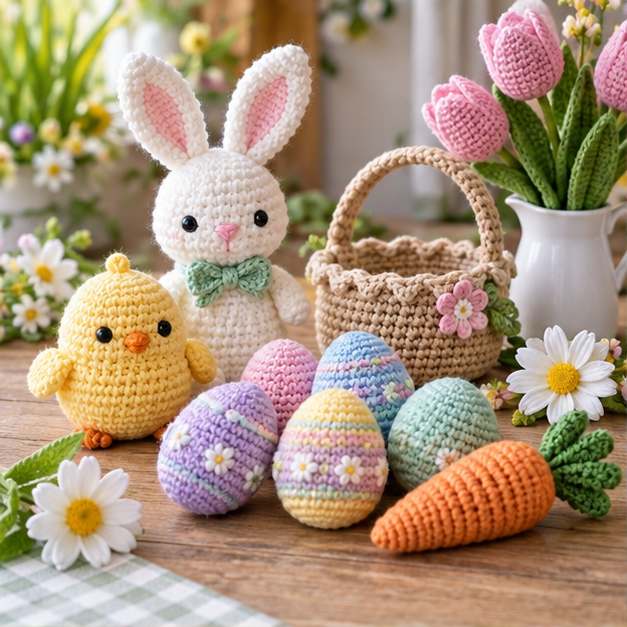
A bunny can be as simple as a flat shape with ears or as detailed as a stuffed amigurumi character. Choose a design with clear stitch counts and check the placement of the ears before sewing or joining.
Decorative Easter eggs
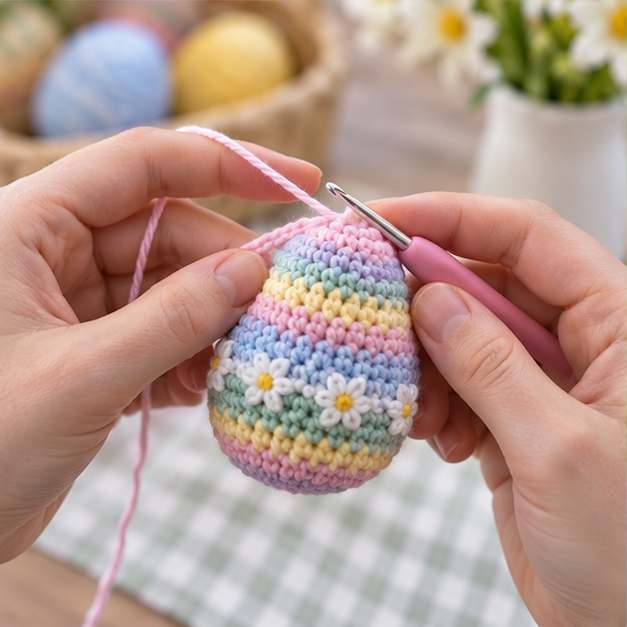
Crochet eggs are a good way to practice increases and decreases in the round. Make them in one color, add simple stripes, or use them as soft basket fillers.
Small treat baskets
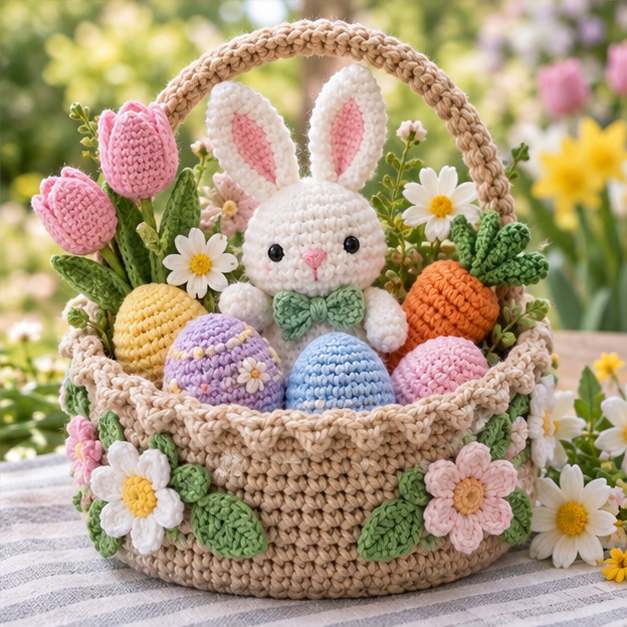
A small basket begins with a firm base and builds upward with even rounds. A sturdy handle and a simple border help it hold its shape for treats, notes, or tiny gifts.
Chicks and spring characters
Small chicks are beginner-friendly amigurumi when worked with smooth yarn and a simple body shape. Keep accessories small and secure so the finished character stays neat.
Flowers and garlands
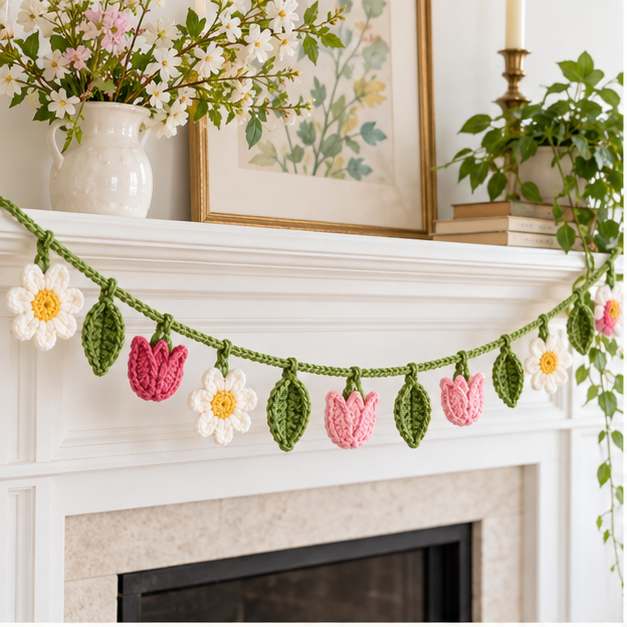
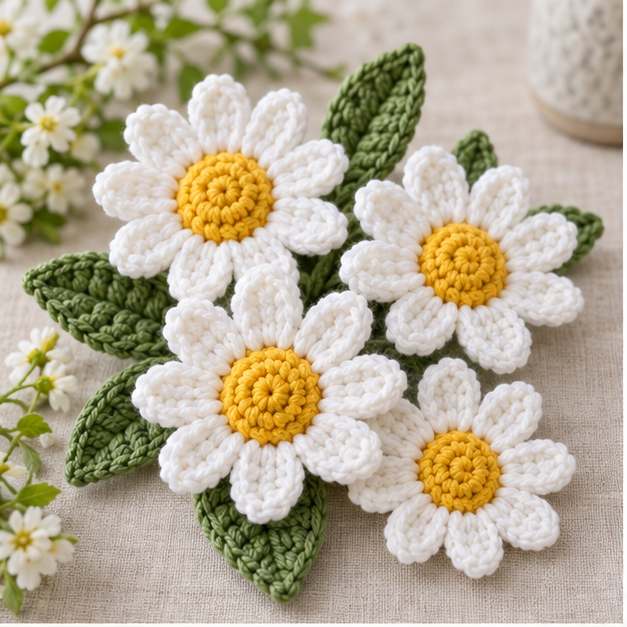
Spring flowers add color to a table, basket, or gift wrap. Make a group of simple motifs, then connect them with a chain or sew them to a ribbon for a cheerful garland.
Materials for Spring Crochet
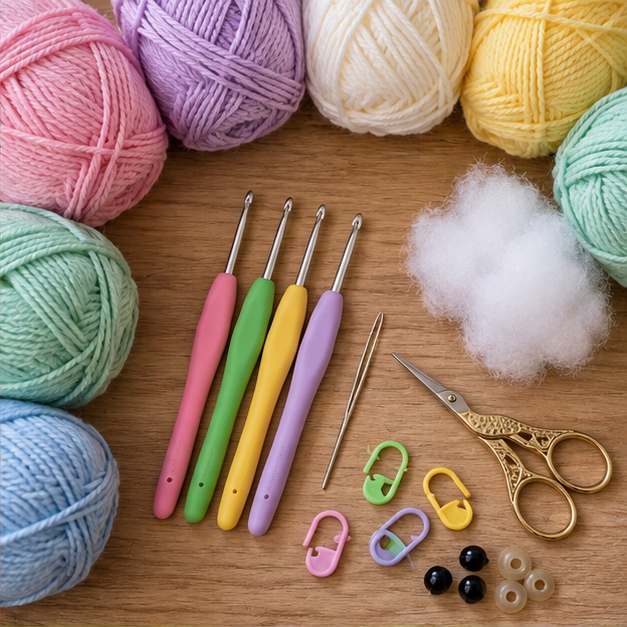
Choose yarn that makes stitches easy to see: soft yellow, cream, lavender, mint, peach, and light pink are classic Easter choices. Keep stuffing, a yarn needle, stitch markers, scissors, and any required safety eyes or key rings ready before you begin.
Tips for a Polished Easter Make
- Count each round before moving to the next one.
- Use stitch markers in the first stitch of rounds.
- Stuff small shapes gradually so they stay even.
- Weave in yarn ends securely before adding decorations.
Troubleshooting
The egg shape is uneven
Check that every increase and decrease round has the correct stitch count. Use a marker and pause after each round to compare the shape from all sides.
The basket sides collapse
Use a firmer yarn or a smaller hook. Working tightly and adding a simple slip-stitch edge can also help the sides stand up.
Practical Project Guidance
A successful Easter Crochet Patterns: Easy Bunny, Egg and Basket Projects starts with a calm, realistic plan. Read through the complete sequence before you pick up the hook, then set aside the yarn, tools, notions, and measuring supplies you will actually use. This simple preview helps you recognize where a count, a change of color, a join, or a finishing step matters. It also makes the project feel more manageable because you are working from one small decision to the next rather than trying to solve every detail at once. Keep the working area bright and comfortable, and place a notebook or row counter nearby so you can record any adjustment that makes your version fit or look better.
For easter crochet patterns, consistency is usually more valuable than speed. Make a small swatch or test section when the project calls for a fabric with a particular size, drape, or firmness. Compare your stitches to the intended measurement before you invest time in the full piece. If your fabric feels too stiff, try relaxing your tension or choosing a slightly larger hook; if it feels loose or uneven, a smaller hook or a steadier hand can help. The goal is not to copy another maker stitch for stitch. The goal is to create a finished item that behaves well in the yarn you chose and suits the way you want to use it.
Work in Clear, Repeatable Steps
Break Easter Crochet Patterns: Easy Bunny, Egg and Basket Projects into short working sessions and pause at natural checkpoints. After a foundation chain, starting round, panel, or motif, count carefully and look at the shape before moving on. A quick check at this stage is much easier than undoing many rows later. Use stitch markers to identify the first stitch of a round, corners, increase points, shaping changes, or the right side of the fabric. When you return after a break, reread the last completed instruction and compare your work to the previous checkpoint. This keeps the pattern pleasant to follow even if life interrupts the project.
Aim for neat, repeatable tension rather than perfectly identical stitches. Crochet naturally changes a little from one session to another, especially with textured yarns, soft cotton, or a new stitch pattern. If the edges begin to pull inward, curl, flare, or drift off center, stop and diagnose the last few rows. Confirm the stitch count, check whether you skipped a turning chain, and make sure increases or decreases are placed in the intended spaces. Small corrections protect the finished proportions and give the work a more polished look without making the process feel fussy.
Make the Finish Last
Finishing transforms a good handmade piece into one you will be happy to show, wear, gift, or use. Leave a generous tail whenever you know a seam, strap, join, or decorative part will need securing. Weave ends through several stitches in more than one direction, matching the path to the texture of the fabric so the tail does not work loose with normal use. When joining two pieces, pin or clip the edges first and check that the corners, ends, or shaped points line up. This extra minute prevents a twisted seam and helps the project sit evenly.
Before declaring Easter Crochet Patterns: Easy Bunny, Egg and Basket Projects complete, lay it flat and inspect it from a short distance. Check that the edges are balanced, the stitches are secure, and any closure, strap, handle, tie, or embellishment is firmly attached. Gently block only when the yarn and project need it: moisture and careful shaping can open lace, straighten edges, and settle a fabric, while a structured item may simply need light steam nearby rather than direct heat. Let the piece dry fully before folding, filling, or wearing it. A final inspection is also the best moment to reinforce a stress point while it is easy to reach.
Personalize Your Version
Use this pattern as a reliable starting point, then make thoughtful choices that keep the construction intact. A color change, contrasting border, different button, small applique, or alternate lining can give the project a personal identity without changing its core measurements. If you substitute yarn, check both weight and fiber behavior. Cotton often holds a crisp shape, wool can add bounce, and acrylic may offer easy care but a different drape. Change one variable at a time, take a quick measurement after the change, and keep a note of what worked. Those notes turn Easter Crochet Patterns: Easy Bunny, Egg and Basket Projects into a repeatable make rather than a one-time experiment.
Most importantly, give yourself permission to learn while you work. Every project develops useful habits: reading a pattern closely, recognizing fabric changes, counting with confidence, and choosing a finish that suits the item. If a section is not behaving as expected, undo only as far as necessary and try again with the new information you have. The finished piece does not need to be flawless to be useful or beautiful. A careful process, secure construction, and a result that fits your purpose are what make a handmade crochet project worth keeping.
Questions About Easter Crochet Patterns: Easy Bunny, Egg and Basket Projects
How do I choose the right easter crochet patterns project?
Start with the time, yarn amount, and construction that feel comfortable for you. A small project with familiar stitches is often the best first choice, while a larger make works well when you want to practice a repeat over several sessions.
Can I use these easter crochet patterns ideas for gifts or home decor?
Yes. Choose a project with a clear finished purpose, then match the color and finishing details to the person or space. Small motifs, decorations, accessories, and practical makes can all become thoughtful handmade gifts.
What helps a easter crochet patterns project look polished?
Consistent tension, accurate counting, and secure finishing make the biggest difference. Take a moment to block flat pieces or reinforce any area that will be handled often.
Final Thoughts
Easter crochet projects are a lovely way to turn a few simple stitches into small seasonal traditions. Pick one project, enjoy the spring colors, and finish each detail with care. Save your favorite ideas on Pinterest, or follow Facebook for more seasonal crochet projects.